

Inside DC’s Growing Fandom Divide
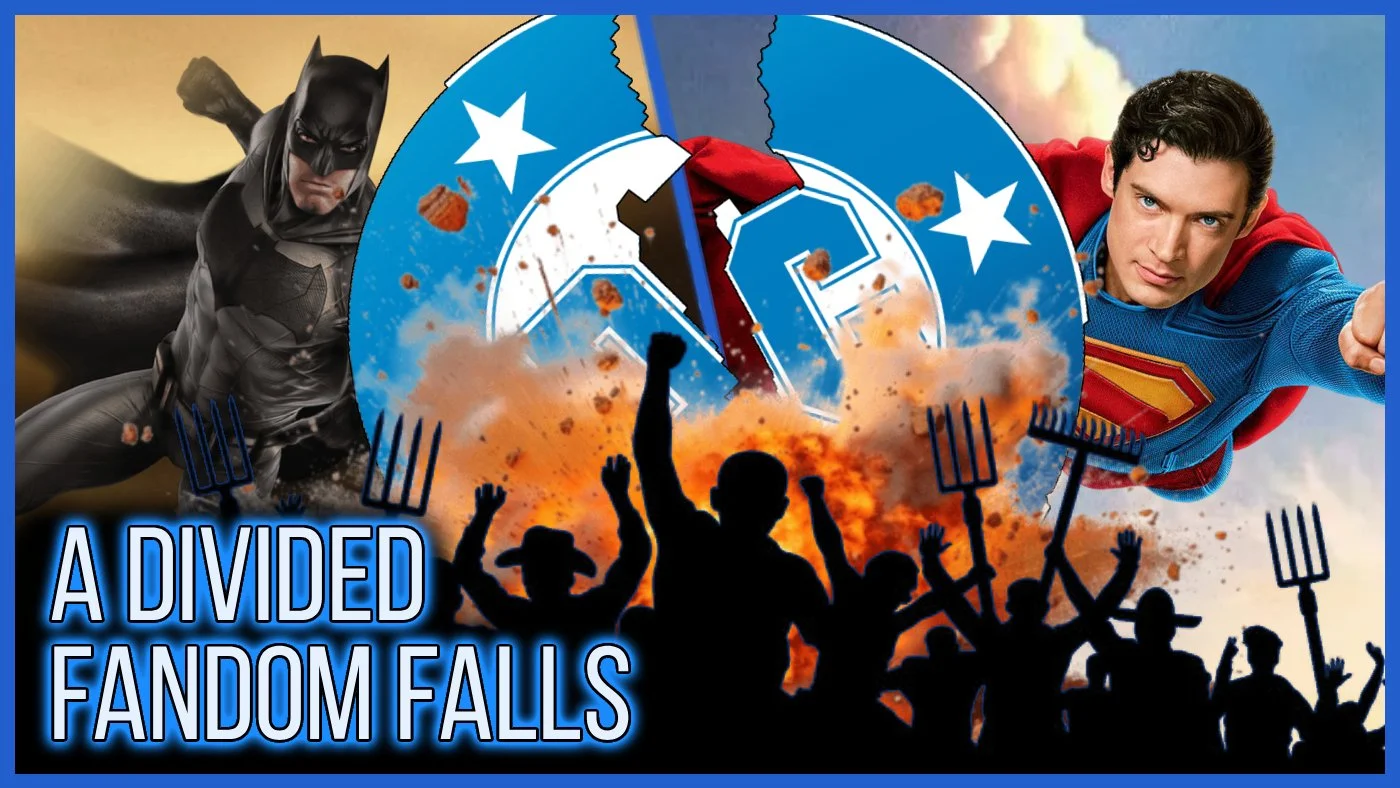
The DC fan community today is passionate, but badly splintered.
Over the years, DC’s heroes have typically thrived across comics, animation, film, and television, creating separate fan identities for each medium.
Instead of one unified fandom, we now have tribes… SnyderVerse loyalists, Arrowverse diehards, animation purists, and early adopters of James Gunn’s new DCU.
Each group has its preferences, its scars, and its grudges.
And as expected tensions flare whenever these worlds collide.
When Peacemaker made a crude joke about Green Arrow, Arrow star Stephen Amell publicly lashed out, expressing years of frustration over how the CW shows were treated compared to the films. His reaction highlighted a lingering resentment among some TV fans who feel their corner of DC was dismissed or mocked. Elsewhere, SnyderVerse supporters and Gunn supporters regularly clash online, while comic fans argue that DC’s animated films quietly outperform live action altogether.
The truth is simple though, DC fandom isn’t a monolith. It’s a mosaic of fiercely loyal micro fandoms, and at times, they seem to resent each other more than any Marvel rival ever could.
No fracture has been more polarizing than SnyderVerse versus the emerging GunnVerse.
Zack Snyder’s run built a passionate fanbase that famously fought for the Snyder Cut and won. But once Warner Bros. ended that era and rebooted under James Gunn and Peter Safran, many fans felt betrayed. As Gunn’s DCU builds, discourse has grown uglier.
A loud minority of Snyder loyalists attack anything Gunn touches, while some Gunn defenders dismiss Snyder fans outright. It reached a bizarre extreme when a fringe group attempted to organize sabotage efforts against the new Superman, plotting review bombing, wallet closed initiatives and fake ticket reservations. Gunn brushed it off with dry sarcasm, noting that a handful of angry voices wouldn’t change reality.
Still, the fact that such schemes even exist shows how warped parts of the fandom have become.
Most fans are exhausted by the noise. Gunn himself has acknowledged that the majority of Snyder fans are genuine and respectful, but online the fringe dominates the conversation. The feud has turned portions of the fandom into rival camps rooting for each other’s failure… even if it damages DC as a whole.
It’s tribalism at its worst and it’s playing out daily across social media, comment sections, and fan forums.
One of the strangest byproducts of this war is how some fans claim to defend Snyder’s vision by arguing against Snyder himself.
When speculation arose about continuing the SnyderVerse story in other mediums, parts of the fandom exploded, insisting that Snyder only intended his saga for live action.
The irony is thick. Snyder has repeatedly said he would happily continue the story in comics or animation. He’s openly discussed graphic novel continuations and alternative formats. The idea that his vision is restricted to live action exists only in certain fans’ minds.
What’s happening is projection. Some fans have created an imaginary version of Snyder who aligns perfectly with their expectations and are now crusading on his behalf. When fans believe they understand a creator’s intent better than the creator does, fandom has officially crossed into delusion. It’s a reminder that many people support “creative freedom” only until the creator makes choices they didn’t personally want.
This problem isn’t unique to DC. Marvel fandom has started to fracture post Endgame, with longtime fans criticizing newer phases as rushed or unfocused. Star Wars fandom has been in open civil war since The Last Jedi, with one group praising bold subversion and another treating it as franchise vandalism. Each side insists their version is the “real” one. The pattern is nearly identical… massive franchises splinter into partisan factions, each convinced they’re defending purity while everyone else is ruining the brand.
Here’s the core irony of modern fandom. Fans demand bold creativity and artistic freedom until that freedom produces something uncomfortable or unexpected. Snyder fans once rallied against studio interference, yet now some demand interference when Gunn’s plan doesn’t align with theirs. Star Wars fans begged for new ideas, then revolted when they actually got them. Marvel fans wanted risks until those risks stopped feeling familiar. Fans want innovation without discomfort. That’s not how creativity works.
All of this really begs to ask one question. Do you love the franchise, or just your version of it?
DC has survived for more than eight decades because it reinvents itself. Batman can be camp, noir, mythic, or brutal. Superman can be hopeful, conflicted, or cosmic. Elseworlds exists for a reason. Multiple versions can coexist without invalidating one another. Loving only one interpretation isn’t devotion, it’s dogma.
Look at DC Comics right now.
The All In initiative and the Absolute Universe radically reimagined DC’s icons while keeping core continuity alive. On paper, it was everything fans supposedly hate. In reality, readers embraced it. Sales surged. Critical acclaim followed. Fans proved they could accept bold reinvention without erasing what came before. Comics fans understood that expanding the sandbox doesn’t destroy it.
That’s the lesson film and TV fandom keeps refusing to learn.
So ask yourself whether being a fan means nurturing the world, or guarding one frozen snapshot of it. You don’t have to love every version, but actively rooting for failure says more about attachment than passion.
Fandom should build, not cannibalize.
At its best, fandom is supportive, creative and inclusive.
At its worst, it’s vindictive, conspiratorial, and destructive. DC fandom has shown both extremes. The choice moving forward is whether fans want to help these worlds thrive or tear them apart from the inside.
Being a fan should be fun. Not a lifelong war.
Stories will change. Creators will rotate. New interpretations will rise. The question is whether fans will stay open to the ride or become the villains of their own saga.
Because loving a universe means letting it evolve, not demanding it stay frozen forever.
