

Clayface isn’t a villain | He’s a nightmare wearing a name tag.
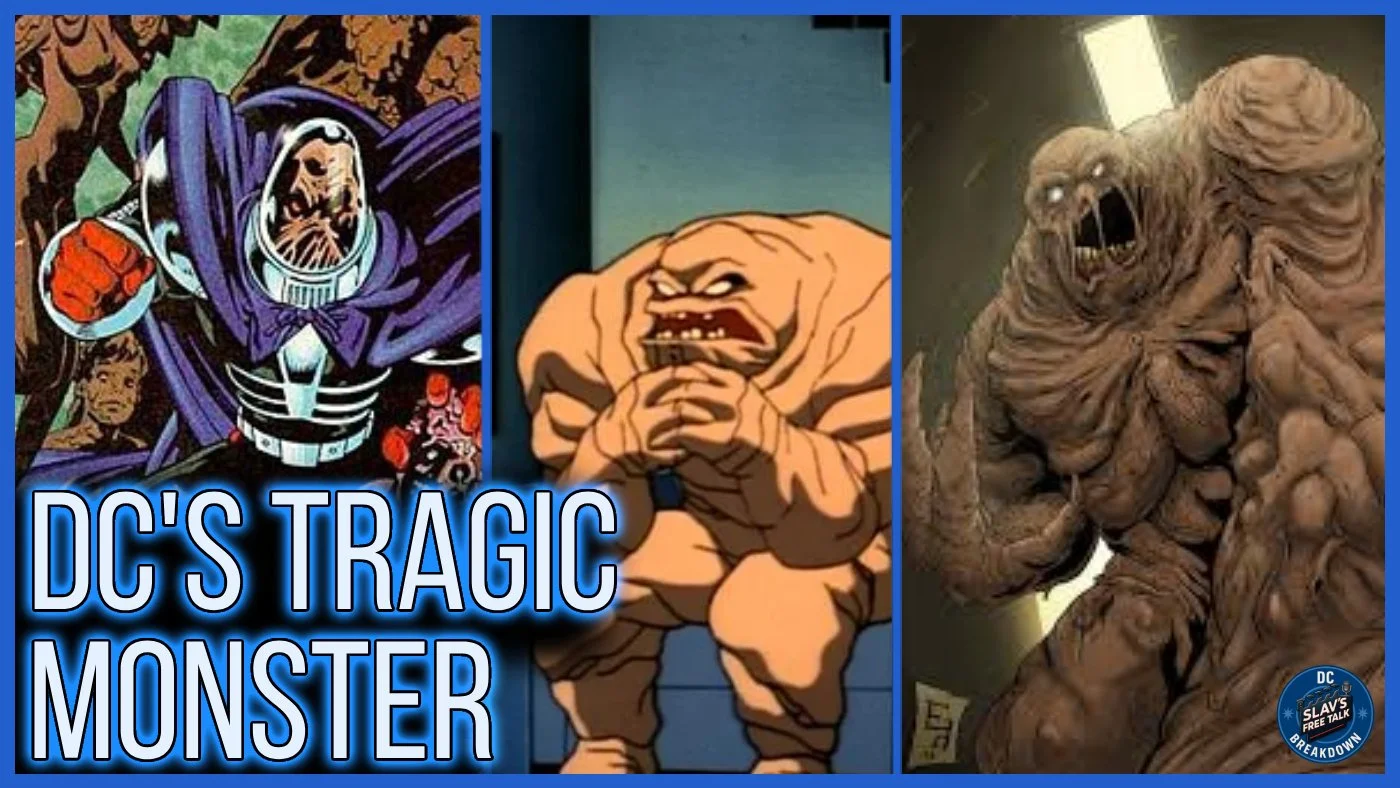
Clayface has always existed in a strange space within DC. He isn’t a traditional villain chasing power or control. He’s a reflection of fear.
Fear of losing identity.
Fear of losing control of your own body.
Fear that once you cross a certain line, there is no version of yourself left to save.
That’s what makes Clayface quietly one of DC’s most compelling and disturbing characters, and why the upcoming Clayface film slated for September 2026 feels like a project worth paying close attention to.
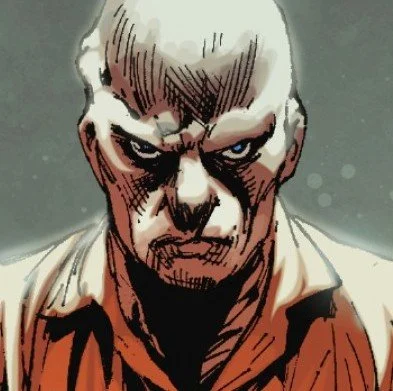
Basil Karlo, the original Clayface, first appeared in Detective Comics #40, with a cover date of June 1940
At the root of it all is Basil Karlo, the first Clayface and arguably the most important.
You see, Karlo was a failed actor who became obsessed with a horror role that defined his career. When that identity was threatened, he snapped. There were no powers involved at first, just a man whose sense of self had completely eroded. That origin grounds Clayface in something painfully human. He is sort of a cautionary tale about obsession, ego, and the terror of becoming irrelevant. Even as the character evolved, that core idea never left.
As DC leaned further into genre storytelling, Clayface then transformed into something far more physically horrifying.
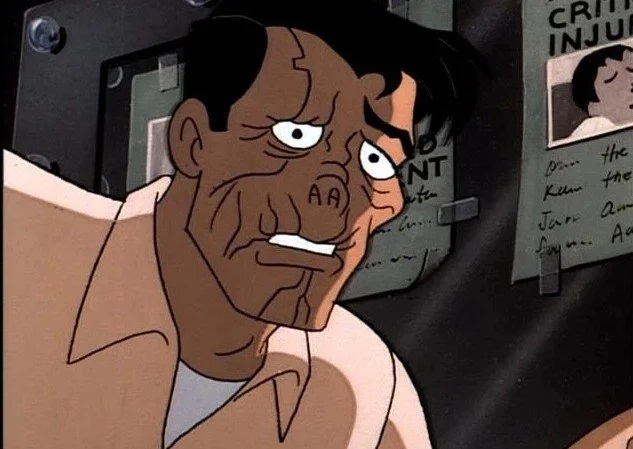
Pictured Here is from Batman the Animated Series
Matt Hagen, the classic Clayface, first appeared in Detective Comics #298 (December 1961)
Enter Matt Hagen. Matt was introduced and given the now iconic shape shifting abilities, but the power came with a cost. His body was unstable, constantly degrading, forcing him to reshape himself just to survive.
Every transformation chipped away at his humanity. He wasn’t empowered by his condition. He was enslaved by it. This version pushed Clayface firmly into body horror, turning the character into a living metaphor for physical decay and loss of self.
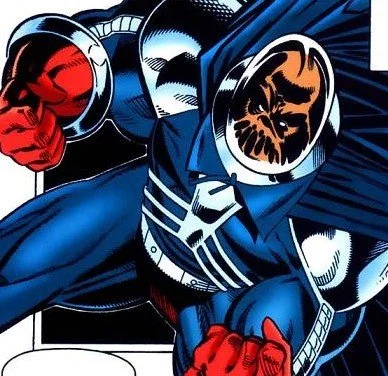
Preston Payne, the third version of the villain Clayface, first appeared in Detective Comics #477 (June 1978)
Then came, the lesser known, Preston Payne, which if you ask me, is the most tragic incarnation. Payne didn’t seek power or revenge. He wanted to be cured. His disease caused him to melt anyone he touched, making human connection impossible.
This version of Clayface is heartbreaking because he is fully aware of what he’s become and hates himself for it. The horror doesn’t come from what he wants to do, but from what he can’t stop doing.
What makes Clayface endure is that DC never locked him into one interpretation. Each version reflects a different kind of horror. Psychological. Physical. Existential.
That flexibility is why his portrayals in comics and animation have been so effective.
Animation in particular has leaned into the tragedy. Clayface stories often slow things down, letting the audience sit with the pain of transformation and the loneliness that follows. He’s not framed as a monster to be defeated, but as a person who has already lost the fight.
That’s also why Clayface works so well opposite Batman. Batman represents control, discipline, and self mastery. Clayface represents the opposite. Loss of control. A body and mind that no longer obey. Their encounters are less about hero versus villain and more about order confronting chaos.
Batman can stop Clayface, but he can’t fix him. That tension is where the best stories live.
All of this is why the upcoming Clayface film matters. This isn’t a character that should be turned into a loud CGI spectacle. A September release suggests a darker, more atmospheric approach, one that leans into horror rather than superhero bombast.
Under James Gunn’s DC Studios, the DCU has made it clear that different projects can live in different genres. Clayface isn’t meant to feel like Superman or Peacemaker.
He’s meant to feel unsettling.
If the film respects what has made Clayface compelling across decades of comics and animation, it has the potential to be something genuinely special. Not just another comic book movie, but a tragic horror story about identity, decay, and what happens when the thing you fear most is yourself.
That’s why Clayface has lasted. And that’s why this movie deserves everyone’s attention.
